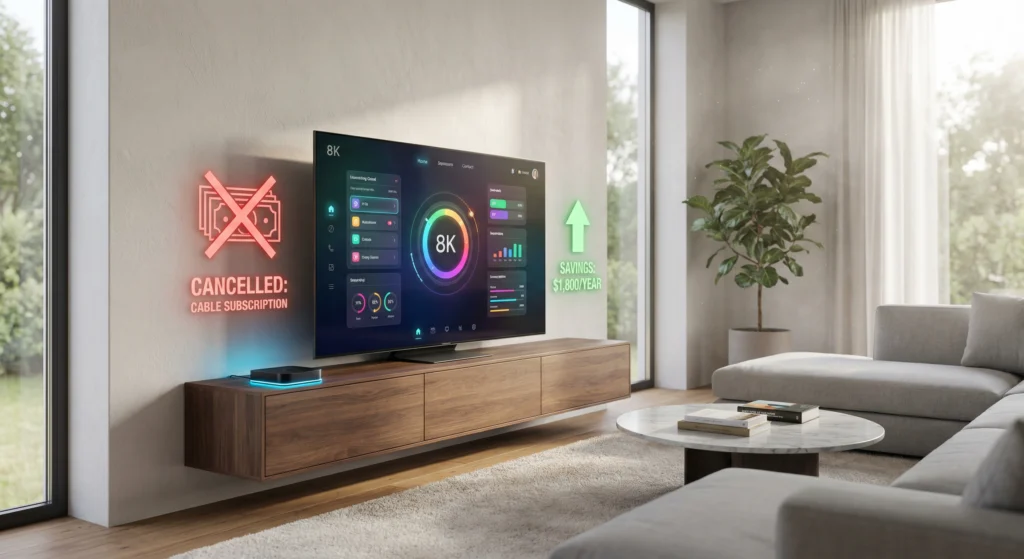
The digital landscape of American living rooms has undergone a seismic shift. As of early 2026, more than 85% of US households have officially ditched traditional linear cable in favor of something more agile, personalized, and cost-effective. But as the terminology evolves from “Web TV” to “OTT” and “IP-based Broadcasting,” many users are left asking: What is streaming TV in today’s complex ecosystem?
If you feel overwhelmed by the sheer number of apps, devices, and technical jargon, you aren’t alone. This guide is your ultimate roadmap to understanding the technology, the costs, and the most efficient way to build a modern home entertainment system without the “Cable Tax.”
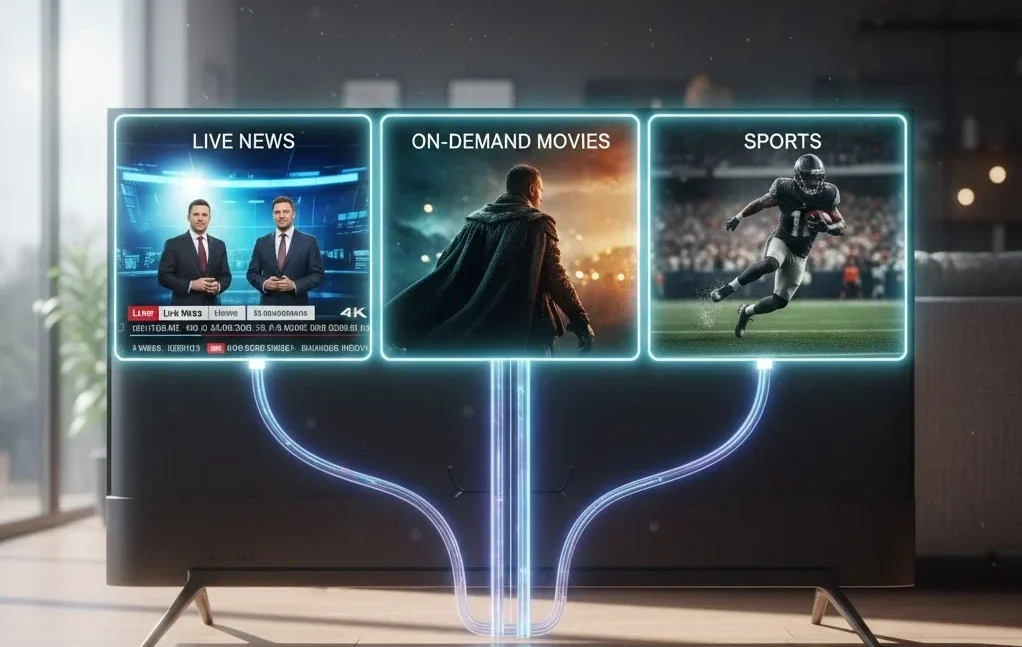
At its core, streaming TV is the process of delivering video and audio content over an internet connection rather than through traditional terrestrial, satellite, or coaxial cable formats.
In 2026, this isn’t just about “Netflix and chill.” It encompasses three distinct pillars:
Traditional cable relied on “Broadcasting”—sending every channel to your house at the same time, regardless of whether you were watching them. Streaming uses “Unicasting,” where only the specific data for the show you are watching is sent to your device. This is the smart way to consume media because it saves bandwidth and allows for much higher resolutions like 4K and 8K.
The primary driver for the US audience to investigate “What is streaming TV” is almost always financial. With the average cable bill in New York or California hitting $210/month (including hidden broadcast fees), the migration to digital platforms is a survival tactic for the household budget.
| Feature | Traditional US Cable | Modern Streaming Setup |
| Monthly Cost | $160 – $220 | $50 – $90 (Combined) |
| Contracts | 12-24 Months (Required) | Month-to-Month (No Commitment) |
| Equipment Fees | $15/month per box | One-time $40 – $100 purchase |
| Hidden Fees | Broadcast & Sports Surcharges | None (Transparent Pricing) |
| Annual Savings | $0 | $1,200 – $1,800 |
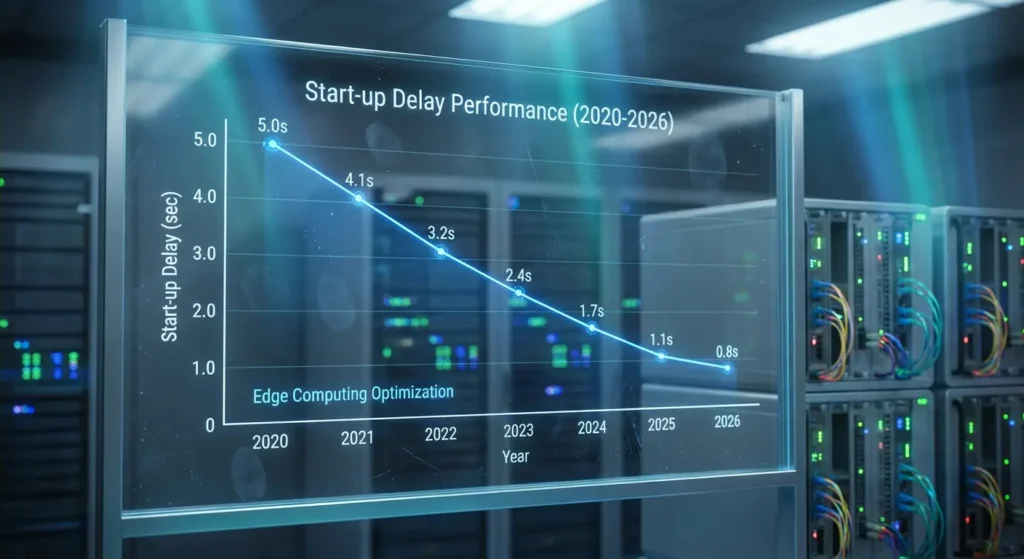
Understanding “What is streaming TV” requires a basic grasp of the plumbing. In 2026, we have moved beyond basic buffering into the era of Ultra-Low Latency.
Data compression is the secret sauce. In 2026, most top-tier platforms have migrated to the AV1 codec.
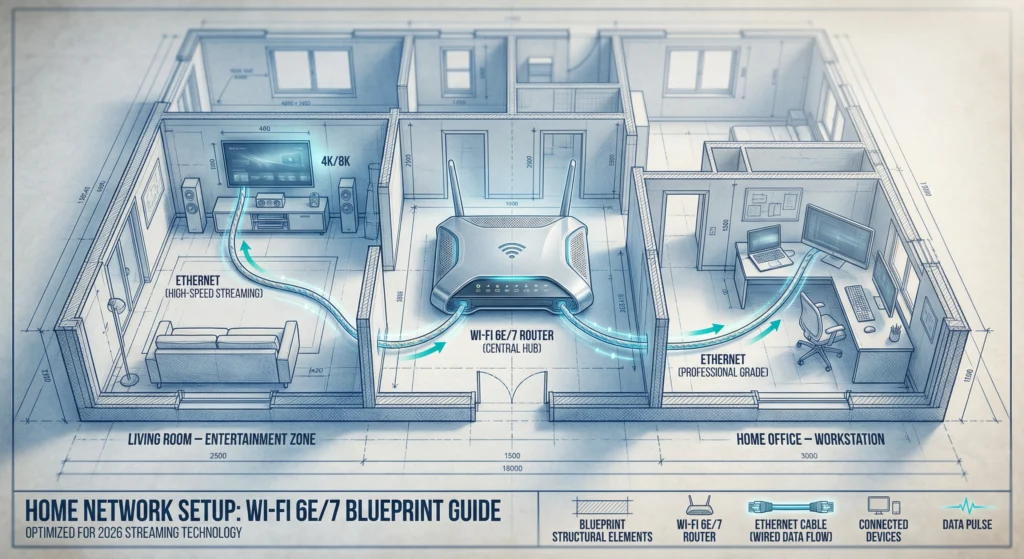
To ensure a buffer-free experience, your home network should meet these US standards:
You cannot answer “What is streaming TV” without looking at the devices that make it possible. In the US, the hardware market is currently dominated by three major players.
When people ask, “What is streaming TV?” they are often confused by the different business models.
As streaming becomes the dominant medium, the US government and ISPs have increased their monitoring.
ISPs often monitor your traffic to see if you are consuming high-bandwidth video. If they detect a 4K stream during “Peak Hours” (7 PM – 10 PM), they may intentionally throttle your connection.
To truly master the world of streaming, follow these expert-level strategies:
Q: Is streaming TV the same as Smart TV?
A: Not exactly. Streaming TV is the content and the technology, while a Smart TV is just one device that can play it. You can make any old TV a Streaming TV by plugging in a $30 Firestick.
Q: Does streaming TV use a lot of data?
A: Yes. A 4K stream can consume about 7GB per hour. If you have a data cap (usually 1.2TB with providers like Xfinity), you need to monitor your usage or switch to an unlimited plan.
Q: Can I get local news and weather on streaming?
A: Absolutely. In 2026, apps like Local Now or the “Live” sections of Hulu and YouTube TV provide full local coverage for every US zip code.
Q: Why is my stream 30 seconds behind the actual live event?
A: This is called “Latency.” While it has improved, streaming data must be encoded and “packaged” before it reaches you. To minimize this, look for services that use LL-HLS (Low Latency HTTP Live Streaming) protocols.
Understanding what streaming TV is more than just knowing how to open an app. It is about understanding the intersection of internet technology, hardware efficiency, and financial freedom. By moving away from the rigid structures of legacy cable, you gain the ability to customize your viewing experience, pay only for what you watch, and enjoy a level of visual quality that was impossible just a decade ago.
The 2026 media landscape is built for the user. Whether you are using a free trial to test a new provider or setting up a high-end 8K home theater, the power is now entirely in your hands.
Ready to start your journey? Don’t let another $200 cable bill hit your bank account.
The future of television isn’t coming—it’s already here. Are you watching yet?